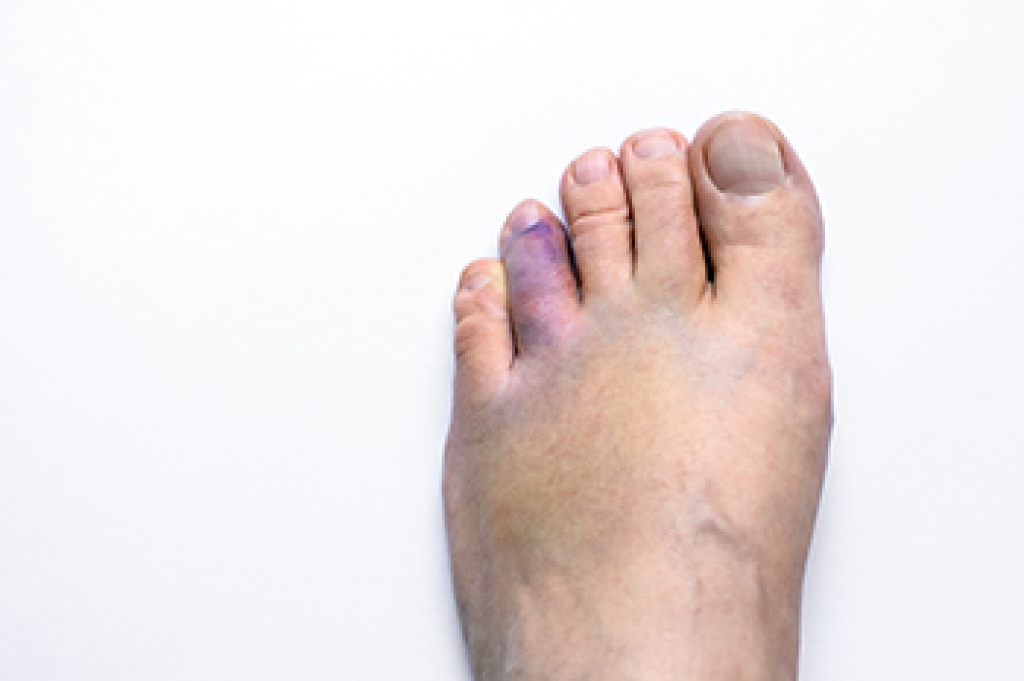
Facts About Foot Stress Fractures

Foot stress fractures are small cracks in the bones of the foot caused by repetitive stress or overuse, rather than a single traumatic event. Common symptoms include localized pain that worsens with activity, swelling, tenderness, and bruising. They often result from high-impact activities, sudden increases in exercise intensity, or improper footwear. Risk factors include osteoporosis, poor nutrition, improper training techniques, and repetitive athletic activity. Prevention can involve adjusting training routines, wearing supportive shoes, and shortening stride length to reduce impact on the bones. A podiatrist can diagnose stress fractures with imaging, formulate a treatment plan, prescribe orthotics, and offer guidance to safely return to activity. If you have symptoms of a foot stress fracture, it is suggested that you consult a podiatrist who can confirm the problem and offer appropriate treatment solutions.

Stress fractures occur when there is a tiny crack within a bone. To learn more, contact one of our podiatrists from New Tampa Foot & Ankle. Our doctors can provide the care you need to keep you pain free and on your feet.

How Are They Caused?

Stress fractures are the result of repetitive force being placed on the bone. Since the lower leg and feet often carry most of the body’s weight, stress fractures are likely to occur in these areas. If you rush into a new exercise, you are more likely to develop a stress fracture since you are starting too much, too soon.  Pain resulting from stress fractures may go unnoticed at first, however it may start to worsen over time.

Risk Factors

  • Gender – They are more commonly found in women compared to men.
  • Foot Problems – People with unusual arches in their feet are more likely to develop stress fractures.
  • Certain Sports – Dancers, gymnasts, tennis players, runners, and basketball players are more likely to develop stress fractures.
  • Lack of Nutrients – A lack of vitamin D and calcium may weaken the bones and make you more prone to stress fractures
  • Weak Bones – Osteoporosis can weaken the bones therefore resulting in stress fractures

Stress fractures do not always heal properly, so it is important that you seek help from a podiatrist if you suspect you may have one. Ignoring your stress fracture may cause it to worsen, and you may develop chronic pain as well as additional fractures.

If you have any questions please contact our office located in Wesley Chapel, FL . We offer the newest diagnostic and treatment technologies for all your foot and ankle needs.

Read more about Stress Fractures of the Foot and Ankle

Wounds That Don't Heal Need to Be Checked

Your feet are covered most of the day. If you're diabetic, periodic screening is important for good health. Numbness is often a sign of diabetic foot and can mask a sore or wound.

New Advances Helping Protect Diabetic Feet

Foot complications linked to diabetes are still common and can be difficult to manage. They often require long treatment and can lead to serious health problems, if not addressed early. Today, digital tools allow doctors to track patients from home. Temperature sensors and other devices can spot early signs of inflammation before a wound forms. New treatment methods and advanced wound dressings are also helping sores close more effectively. Doctors now focus not only on healing wounds but also on preventing them from returning. Foot sores frequently come back after healing, so long-term care is critical. If you have diabetes, routine foot checks matter, and it is suggested that you see a podiatrist who can detect early warning signs and help protect your feet from serious complications.

Wound care is an important part in dealing with diabetes. If you have diabetes and a foot wound or would like more information about wound care for diabetics, consult with one of our podiatrists from New Tampa Foot & Ankle. Our doctors will assess your condition and provide you with quality foot and ankle treatment.

What Is Wound Care?

Wound care is the practice of taking proper care of a wound. This can range from the smallest to the largest of wounds. While everyone can benefit from proper wound care, it is much more important for diabetics. Diabetics often suffer from poor blood circulation which causes wounds to heal much slower than they would in a non-diabetic. 

What Is the Importance of Wound Care?

While it may not seem apparent with small ulcers on the foot, for diabetics, any size ulcer can become infected. Diabetics often also suffer from neuropathy, or nerve loss. This means they might not even feel when they have an ulcer on their foot. If the wound becomes severely infected, amputation may be necessary. Therefore, it is of the upmost importance to properly care for any and all foot wounds.

How to Care for Wounds

The best way to care for foot wounds is to prevent them. For diabetics, this means daily inspections of the feet for any signs of abnormalities or ulcers. It is also recommended to see a podiatrist several times a year for a foot inspection. If you do have an ulcer, run the wound under water to clear dirt from the wound; then apply antibiotic ointment to the wound and cover with a bandage. Bandages should be changed daily and keeping pressure off the wound is smart. It is advised to see a podiatrist, who can keep an eye on it.

If you have any questions please contact our office located in Wesley Chapel, FL . We offer the newest diagnostic and treatment technologies for all your foot and ankle needs.

Read more about Wound Care

Reasons for Arch Pain

Arch pain is a common foot-related condition defined as discomfort or inflammation along the curved middle portion of the foot that supports body weight and movement. This area contains important muscles, ligaments, and connective tissues that maintain balance and stability while walking. Causes of arch pain include plantar fasciitis, stress fractures within the foot bones, or ligament-related strains that develop from repetitive pressure. Symptoms often involve aching discomfort, tenderness, swelling, and increased pain during walking or standing. Risk factors include prolonged standing, high impact activity, poor footwear support, or abnormal foot mechanics. A podiatrist can evaluate foot structure, identify the underlying cause, and recommend supportive treatment. If arch discomfort interferes with daily movement, it is suggested that you consult a podiatrist who can offer effective relief and treatment solutions.

Foot Pain

Foot pain can be extremely painful and debilitating. If you have a foot pain, consult with one of our podiatrists from New Tampa Foot & Ankle. Our doctors will assess your condition and provide you with quality foot and ankle treatment.

Causes

Foot pain is a very broad condition that could be caused by one or more ailments. The most common include:

  • Bunions
  • Hammertoes
  • Plantar Fasciitis
  • Bone Spurs
  • Corns
  • Tarsal Tunnel Syndrome
  • Ingrown Toenails
  • Arthritis (such as Gout, Rheumatoid, and Osteoarthritis)
  • Flat Feet
  • Injury (from stress fractures, broken toe, foot, ankle, Achilles tendon ruptures, and sprains)
  • And more

Diagnosis

To figure out the cause of foot pain, podiatrists utilize several different methods. This can range from simple visual inspections and sensation tests to X-rays and MRI scans. Prior medical history, family medical history, and any recent physical traumatic events will all be taken into consideration for a proper diagnosis.

Treatment

Treatment depends upon the cause of the foot pain. Whether it is resting, staying off the foot, or having surgery; podiatrists have a number of treatment options available for foot pain.

If you have any questions, please feel free to contact our office located in Wesley Chapel, FL . We offer the newest diagnostic and treatment technologies for all your foot care needs.


Read more about Foot Pain

It's Time for Beautiful Feet

You don't need an excuse to have beautiful nails. Step outside without worrying about the appearance of your feet.

scroll to top