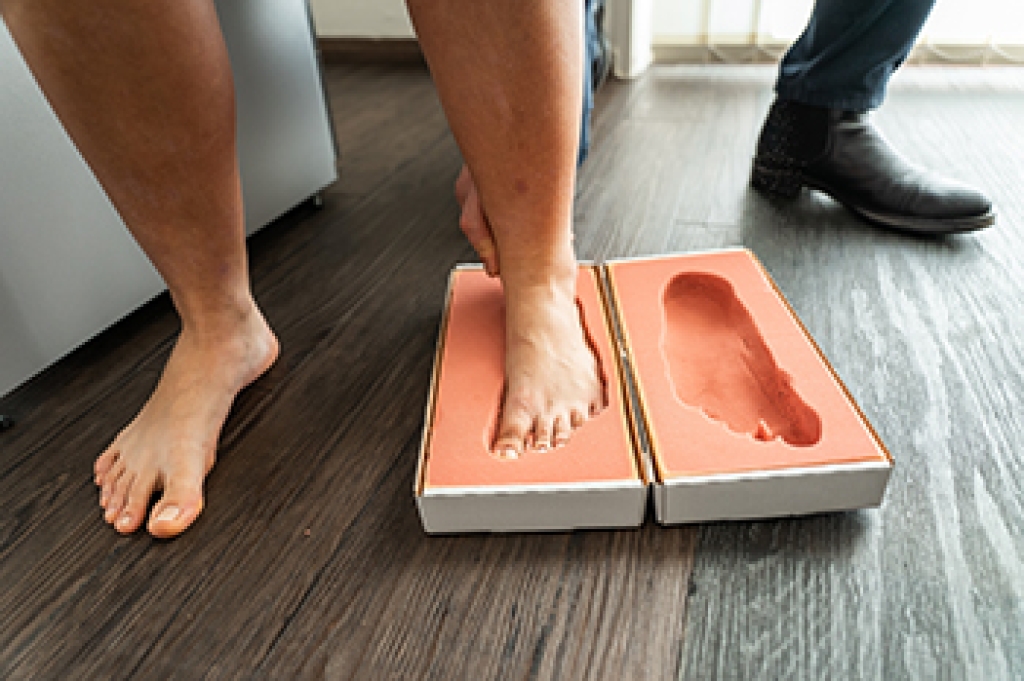
Orthotics and Arch Support for Healthier Feet

Orthotics are shoe inserts designed to support the feet and improve how pressure moves through them. They may be prescribed or purchased over the counter, depending on your needs. Orthotics can provide arch support, cushioning, and improved foot alignment. They are often used when foot structure or movement contributes to discomfort. This approach can make walking more comfortable while reducing unnecessary stress on sensitive areas.

Common symptoms that may benefit from orthotic support include arch pain, heel pain, and tired feet. Some people notice discomfort while walking, standing, or exercising. Risk factors include flat feet, high arches, and unsupportive footwear. Other causes of foot strain may include abnormal gait mechanics, previous injuries, or prolonged standing. A podiatrist can determine whether orthotics are appropriate for your specific condition.


Types of orthotics include custom orthotics and prefabricated inserts. Custom orthotics are designed from measurements or scans of your feet and can address biomechanical needs specific to you. Prefabricated options provide general support and may work well for certain mild problems. A podiatrist begins by reviewing your symptoms and medical history. The feet are examined for alignment, pressure points, and range of motion. Your walking pattern may also be evaluated before an orthotic recommendation is made.


Treatment with orthotics usually begins with selecting the correct device for your foot structure and daily activities. Your podiatrist may recommend gradual wear so your feet can adjust comfortably. Follow-up visits can help assess comfort levels and determine whether adjustments are needed. Wearing proper footwear is also important because shoes should provide enough room and stability for the insert. Orthotics do not simply add cushioning, they can help manage pressure and support healthier movement. If you have persistent arch discomfort or need better foot support, it is suggested that you consult a podiatrist who can determine what type of orthotics are right for you.

If you are having discomfort in your feet and would like to try orthotics, contact one of our podiatrists from New Tampa Foot & Ankle. Our doctors can provide the care you need to keep you pain-free and on your feet.

What Are Orthotics?

Orthotics are inserts you can place into your shoes to help with a variety of foot problems such as flat feet or foot pain. Orthotics provide relief and comfort for minor foot and heel pain but can’t correct serious biomechanical problems in your feet.

Over-the-Counter Inserts

Orthotics come in a wide variety of over-the-counter inserts that are used to treat foot pain, heel pain, and minor problems. For example, arch supports can be inserted into your shoes to help correct overarched or flat feet, while gel insoles are often used because they provide comfort and relief from foot and heel pain by alleviating pressure.

Prescription Orthotics

If over-the-counter inserts don’t work for you or if you have a more severe foot concern, it is possible to have your podiatrist prescribe custom orthotics. These high-quality inserts are designed to treat problems such as abnormal motion, plantar fasciitis, and severe forms of heel pain. They can even be used to help patients suffering from diabetes by treating foot ulcers and painful calluses and are usually molded to your feet individually, which allows them to provide full support and comfort.

If you are experiencing minor to severe foot or heel pain, it’s recommended to speak with your podiatrist about the possibilities of using orthotics. A podiatrist can determine which type of orthotic is right for you and allow you to take the first steps towards being pain-free.

If you have any questions, please feel free to contact our office located in Wesley Chapel, FL . We offer the newest diagnostic and treatment technologies for all your foot care needs.

Read more about Ankle Foot Orthotics for Athletes

Dealing With Painful Foot Corns

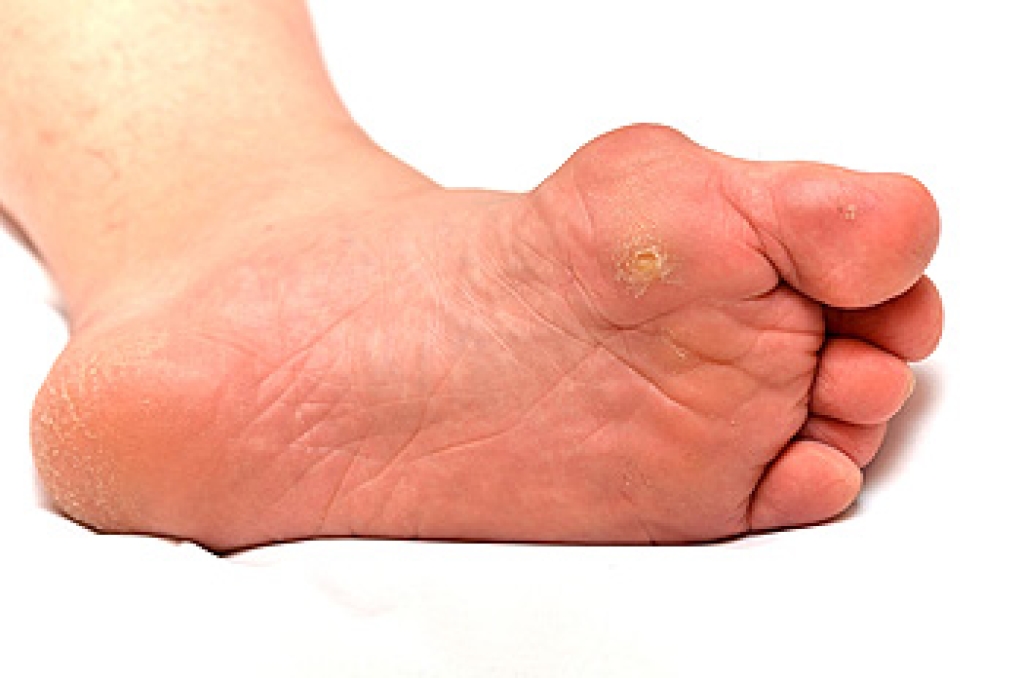
Corns on the feet can make every step uncomfortable, especially when shoes press against a tender spot. A corn is a small area of thickened skin that develops in response to repeated pressure or rubbing. It usually forms over a bony part of a toe. Hard corns appear on the tops or sides of toes, while softer corns can develop between them. Unlike a callus, which spreads across a wider area, a corn usually has a firm center. Some corns cause little discomfort. Others create sharp pain when pressure pushes that center into sensitive skin. Larger corns can make walking difficult and affect your daily routine.

Shoes with narrow toe areas can squeeze the toes and increase friction. Toe changes, like hammertoes, can also create pressure where the skin rubs against shoes. Calluses are more likely to develop on the soles of the feet, especially beneath areas that carry extra weight. Both corns and calluses are the skin's response to repeated irritation. Sometimes thickened skin becomes discolored or breaks down, increasing the risk of infection. People with diabetes or poor circulation need particular attention because foot problems can become serious. A painful spot is not always a corn; a plantar wart can look similar. Identifying the cause helps guide appropriate care.

A podiatrist can examine the affected skin and check for pressure points caused by your foot shape or walking pattern. Treatment can include carefully removing excess thickened skin to ease discomfort. A podiatrist can also recommend protective padding and properly fitted shoes to reduce rubbing. Custom shoe inserts may help spread pressure more evenly across the foot. Because corns can return when pressure continues, follow-up visits can help manage recurring trouble spots. A podiatrist can also distinguish corns from other skin problems and watch for signs of infection. If you have developed corns on the feet, it is suggested that you schedule an appointment with a podiatrist for effective relief and prevention tips. 

If you have any concerns regarding your feet and ankles, contact one of our podiatrists of New Tampa Foot & Ankle. Our doctors will treat your foot and ankle needs.

Corns: What Are They? and How Do You Get Rid of Them?
Corns can be described as areas of the skin that have thickened to the point of becoming painful or irritating. They are often layers and layers of the skin that have become dry and rough, and are normally smaller than calluses.

Ways to Prevent Corns
There are many ways to get rid of painful corns such as wearing:

  • Well-fitting socks
  • Comfortable shoes that are not tight around your foot
  • Shoes that offer support

Treating Corns
Treatment of corns involves removing the dead skin that has built up in the specific area of the foot. Consult with Our doctors to determine the best treatment option for your case of corns.

If you have any questions, please feel free to contact our office located in Wesley Chapel, FL . We offer the newest diagnostic and treatment technologies for all your foot care needs.

Read more about Everything You Need to Know About Corns

Facts About Achilles Tendinitis

Achilles tendinitis develops when the tendon connecting the calf muscles to the heel becomes irritated. This tendon helps lift the heel when walking, running, and climbing stairs. Pain can occur where the tendon attaches to the heel bone or higher along the back of the ankle. Symptoms include morning stiffness, tenderness, and swelling. Pain can worsen after activity or when pushing off the foot. A sudden increase in exercise, repeated hill running, or tight calf muscles placing extra strain on the tendon. Wearing shoes that lack proper support can also contribute to the problem.

A podiatrist can determine whether the pain comes from Achilles tendinitis or another foot or ankle problem. An examination includes checking the painful area, ankle motion, and tendon strength. The podiatrist may also watch how the patient stands and walks. X-rays can reveal bone changes near the heel, while ultrasound or MRI scans can show damage within the tendon. Accurate diagnosis matters because similar symptoms can result from bursitis, a partial tendon tear, or a heel-bone prominence. Severe pain, sudden weakness, or a popping sensation requires prompt evaluation because these signs can point to a tendon rupture.

Treatment focuses on reducing strain, controlling irritation, and helping the tendon work safely again. A podiatrist may recommend temporary activity changes, heel lifts, or custom orthotics. Supportive shoes can also reduce tension on the painful area. In some cases, a walking boot may protect the tendon while irritation settles. The podiatrist can monitor healing and guide a gradual return to activity. Persistent cases may benefit from treatments that stimulate tissue repair. Surgery is generally reserved for tendon damage or pain that does not improve with other care. Early evaluation can keep the problem from becoming harder to manage and can lower the risk of further tendon injury. If you have symptoms of Achilles tendinitis, it is suggested that you schedule an appointment with a podiatrist for a diagnosis and appropriate treatment.

Achilles tendon injuries need immediate attention to avoid future complications. If you have any concerns, contact one of our podiatrists of New Tampa Foot & Ankle. Our doctors can provide the care you need to keep you pain-free and on your feet.

What Is the Achilles Tendon?

The Achilles tendon is a tendon that connects the lower leg muscles and calf to the heel of the foot. It is the strongest tendon in the human body and is essential for making movement possible. Because this tendon is such an integral part of the body, any injuries to it can create immense difficulties and should immediately be presented to a doctor.

What Are the Symptoms of an Achilles Tendon Injury?

There are various types of injuries that can affect the Achilles tendon. The two most common injuries are Achilles tendinitis and ruptures of the tendon.

Achilles Tendinitis Symptoms

  • Inflammation
  • Dull to severe pain
  • Increased blood flow to the tendon
  • Thickening of the tendon

Rupture Symptoms

  • Extreme pain and swelling in the foot
  • Total immobility

Treatment and Prevention

Achilles tendon injuries are diagnosed by a thorough physical evaluation, which can include an MRI. Treatment involves rest, physical therapy, and in some cases, surgery. However, various preventative measures can be taken to avoid these injuries, such as:

  • Thorough stretching of the tendon before and after exercise
  • Strengthening exercises like calf raises, squats, leg curls, leg extensions, leg raises, lunges, and leg presses

If you have any questions please feel free to contact our office located in Wesley Chapel, FL . We offer the newest diagnostic tools and technology to treat your foot and ankle needs.

Read more about Achilles Tendon Injuries

Gout Pain Can Be Managed

Gout is a painful, inflammatory form of arthritis. Those affected will typically feel an intense stiffness in the joints of their feet, particularly in the big toe. Schedule a visit to learn about how gout can be managed and treated.

scroll to top