Blog
Heel Pain and Stress Fractures

A calcaneal stress fracture is a small crack in the heel bone that develops over time from repeated impact. It often appears as deep heel pain that worsens with activity and improves with rest, though it can become constant if ignored. Swelling and tenderness in the back or bottom of the heel may also be present. This condition is common in runners, athletes, and individuals who suddenly increase activity levels. It happens when the bone is unable to keep up with repeated stress and begins to weaken. A podiatrist can evaluate the heel through examination and imaging to confirm the diagnosis. Treatment focuses on protecting the bone, reducing strain, and guiding a safe return to activity. If you have heel pain, it is suggested that you consult a podiatrist who can diagnose and treat the problem.
Activities where too much pressure is put on the feet can cause stress fractures. To learn more, contact one of our podiatrists from New Tampa Foot & Ankle. Our doctors can provide the care you need to keep your pain free and on your feet.
Dealing with Stress Fractures of the Foot and Ankle
Stress fractures occur in the foot and ankle when muscles in these areas weaken from too much or too little use. The feet and ankles then lose support when walking or running from the impact of the ground. Since there is no protection, the bones receive the full impact of each step. Stress on the feet can cause cracks to form in the bones, thus creating stress fractures.
What Are Stress Fractures?
Stress fractures occur frequently in individuals whose daily activities cause great impact on the feet and ankles. Stress factors are most common among:
- Runners
- People affected with Osteoporosis
- Tennis or basketball players
- Gymnasts
- High impact workouts
Symptoms
Pain from the fractures occur in the area of the fractures and can be constant or intermittent. It will often cause sharp or dull pain with swelling and tenderness. Engaging in any kind of activity which involves high impact will aggravate pain.
If you have any questions please contact our office located in Wesley Chapel, FL . We offer the newest diagnostic and treatment technologies for all your foot and ankle needs.
Juvenile Bunions and Early Signs to Watch

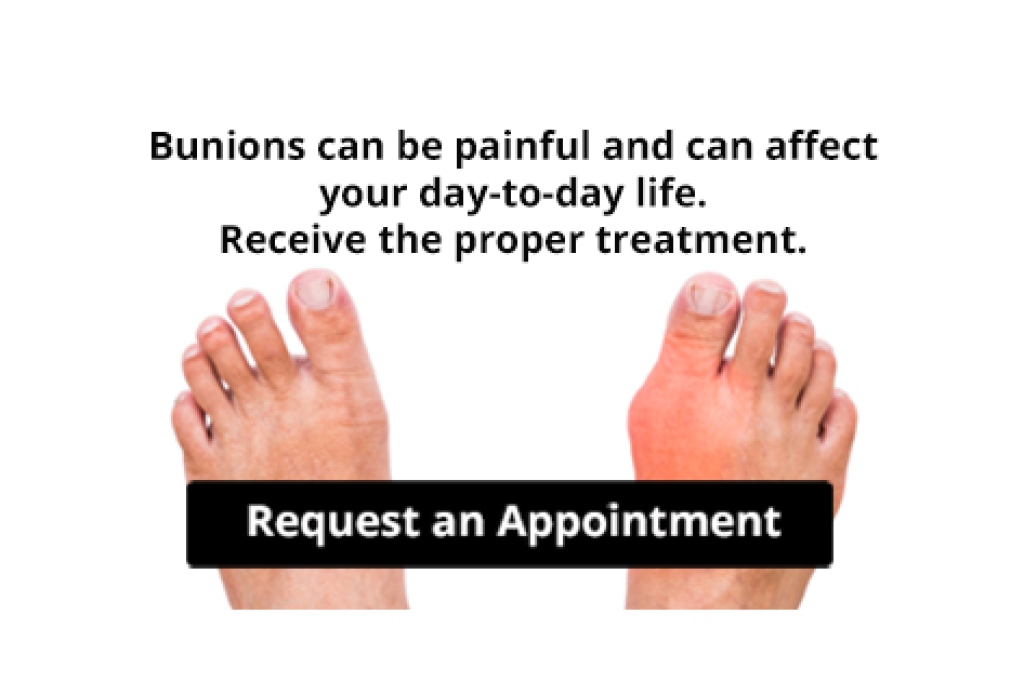
Bunions in children are a foot condition in which the big toe shifts inward toward the second toe, creating a visible bump along the base of the joint. While bunions are more often associated with adults, this condition can appear as early as 10 years old. In younger patients, the deformity is typically more flexible, but may progress if not properly monitored. Early recognition is important because developing bones and joints are more responsive to intervention, which can help slow or manage progression.
Symptoms of juvenile bunions include a noticeable bump on the side of the foot, redness, swelling, and discomfort when wearing shoes. Some children may report pain during physical activity or after long periods of standing. In certain cases, the big toe may overlap or crowd the neighboring toes, affecting alignment and balance. Parents may also observe changes in gait or complaints of pressure in the forefoot. Although some children experience minimal discomfort, the visual deformity and gradual progression can still impact long-term foot health.
Risk factors for juvenile bunions often include genetics, particularly when the condition is inherited through the maternal side of the family. Structural factors like flat feet, ligament laxity, and abnormal foot mechanics can also contribute to bunion development. Footwear choices that place pressure on the toes may worsen symptoms, although they are not always the primary cause in children. Rapid growth phases can further influence how the foot structure changes, making monitoring during development especially important.
It is important to understand that juvenile bunions require attention even when symptoms are mild, as early management can help prevent worsening deformity. Wearing supportive footwear, activity modifications, and proper evaluation can make a significant difference in comfort and function. If your child has a bunion or shows signs of toe misalignment, it is suggested that you consult a podiatrist for an accurate diagnosis and appropriate treatment.
The health of a child’s feet is vital to their overall well-being. If you have any questions regarding foot health, contact one of our podiatrists of New Tampa Foot & Ankle. Our doctors can provide the care you need to keep you pain-free and on your feet.
Tips for Keeping Children's Feet Healthy
- Make sure their shoes fit properly
- Look for any signs of in-toeing or out-toeing
- Check to see if they have Clubfoot (condition that affects your child’s foot and ankle, twisting the heel and toes inward) which is one of the most common nonmajor birth defects.
- Lightly cover your baby’s feet (Tight covers may keep your baby from moving their feet freely, and could prevent normal development)
- Allow your toddler to go shoeless (Shoes can be restricting for a young child’s foot)
- Cut toenails straight across to avoid ingrown toenails
- Keep your child’s foot clean and dry
- Cover cuts and scrapes. Wash any scratches with soap and water and cover them with a bandage until they’ve healed.
If you have any questions, please feel free to contact our office located in Wesley Chapel, FL . We offer the newest diagnostic and treatment technologies for all your foot care needs.
Summer Foot Care and Cracked Heels Prevention

Cracked heels, also known as heel fissures, occur when the skin on the bottom of the heel becomes dry, thickened, and splits under pressure. This condition is common during the summer months when people wear open-backed shoes that expose the skin to dry air and friction. The heel naturally expands with weight-bearing, and when the skin lacks moisture and elasticity, it can crack. While mild cases may seem cosmetic, deeper cracks can become painful and increase the risk of infection. Maintaining smooth and healthy feet is essential for comfort, mobility, and overall foot health.
Symptoms of cracked heels include rough or flaky skin, visible splits, and thickened areas around the heel. As the condition progresses, cracks may deepen and cause pain when standing or walking. In severe cases, bleeding and inflammation can occur, making daily activities uncomfortable. Individuals with underlying skin conditions such as eczema may experience more persistent dryness and irritation. Recognizing early signs allows for prompt care and reduces the likelihood of complications that may require medical treatment.
Several risk factors contribute to the development of cracked heels. Obesity increases pressure on the heel, causing the skin to expand and crack more easily. Standing for long periods of time, especially on hard surfaces, adds stress to the heel pad. Wearing unsupportive or open-back shoes exposes the skin to environmental dryness. Medical conditions such as eczema and diabetes can affect skin integrity and healing. Dehydration and poor foot hygiene may also play a role. These factors combined can worsen dryness and lead to painful fissures if not addressed properly.
Keeping feet smooth during summer involves consistent moisturizing with thick creams that contain urea or lactic acid, regular gentle exfoliation, and wearing supportive footwear that protects the heel. Hydration and proper skin care routines help maintain elasticity and prevent cracking. Avoiding prolonged barefoot walking and using cushioned insoles can reduce pressure on the heels. If you have cracked heels, it is suggested that you consult a podiatrist for effective treatment to restore skin health and prevent further complications.
If the skin on your feet starts to crack, you may want to see a podiatrist to find treatment. If you have any concerns, contact one of our podiatrists from New Tampa Foot & Ankle. Our doctors can provide the care you need to keep you pain-free and on your feet.
Cracked Heels
It is important to moisturize your cracked heels in order to prevent pain, bleeding, and infection. The reason cracked heels form is because the skin on the foot is too dry to support the immense pressure placed on them. When the foot expands, the dry skin on the foot begins to split.
Ways to Help Heal Them
- Invest in a good foot cream
- Try Using Petroleum Jelly
- Ease up on Soaps
- Drink Plenty of Water
Ways to Prevent Cracked Heels
- Moisturize After Showering
- Skip a Shower
- Keep Shower Water Lukewarm
- Don’t Scrub Your Feet
If you are unsure how to proceed in treating cracked heels, seek guidance from a podiatrist. Your doctor will help you with any questions or information you may need.
If you have any questions, please feel free to contact our office located in Wesley Chapel, FL . We offer the newest diagnostic and treatment technologies for all your foot care needs.